letrank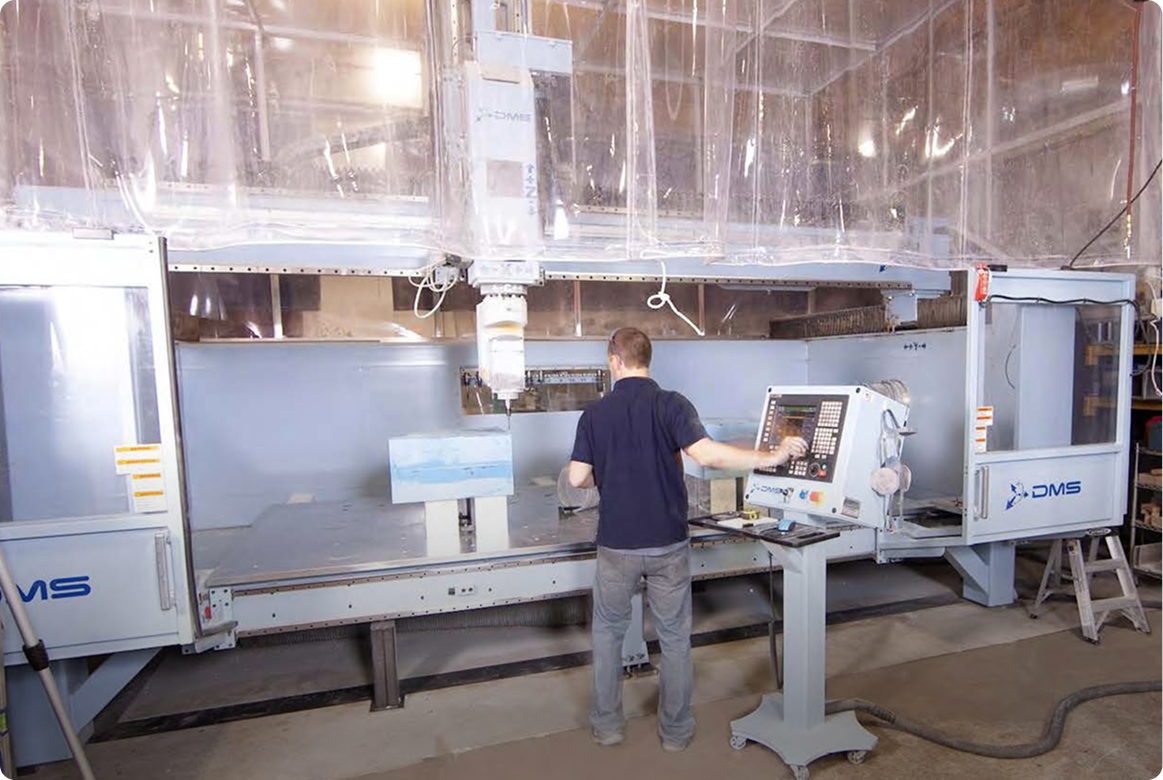
In today’s highly competitive manufacturing landscape, 5-axis cnc machining has become a cornerstone of innovation, efficiency, and precision. As industries demand increasingly complex components with tighter tolerances, traditional manufacturing methods are no longer sufficient. Businesses are now turning to advanced cnc machining solutions to stay ahead, reduce production time, and deliver superior quality products.
From aerospace to medical devices, the role of modern machining technologies continues to expand. Companies that adopt these solutions, including leading precision machining companies, gain a significant advantage in scalability, customization, and performance.
What Is 5-Axis CNC Machining?
At its core, 5-axis cnc machining refers to a process where a cutting tool moves across five different axes simultaneously. Unlike traditional 3-axis systems, which operate along the X, Y, and Z axes, this advanced approach introduces two additional rotational movements.
This enables manufacturers to:
• Create highly complex geometries in a single setup
• Reduce the need for multiple fixtures
• Achieve higher accuracy and consistency
• Improve surface finishes significantly
The ability to machine intricate parts from virtually any angle makes this technology indispensable for modern engineering challenges.
Why CNC Machining Remains Essential
Even with the rise of new manufacturing techniques, cnc machining continues to dominate due to its reliability and adaptability. It offers unmatched precision, repeatability, and material versatility.
Key advantages include:
• Exceptional accuracy down to microns
• Compatibility with metals, plastics, and composites
• Automation that reduces human error
• Cost efficiency in both small and large production runs
For industries where precision is non-negotiable, partnering with experienced precision machining companies ensures optimal results and long-term reliability.
Industries That Benefit the Most
The applications of 5-axis cnc machining span across multiple high-demand sectors. Its ability to produce complex components with tight tolerances makes it critical in:
Aerospace
Aircraft components require extreme precision and lightweight structures. Advanced cnc machining ensures both performance and safety.
Medical Devices
From surgical instruments to implants, the healthcare industry relies heavily on precision machining companies to deliver flawless components.
Automotive
High-performance engines and custom parts demand accuracy and durability, both of which are achieved through modern machining solutions.
Energy Sector
Turbines, valves, and specialized components benefit from the complexity that 5-axis cnc machining can handle efficiently.
The Competitive Edge of 5-Axis Technology
Businesses that adopt 5-axis cnc machining gain a strategic advantage in several ways. Not only does it streamline production, but it also enhances product quality and reduces lead times.
Some of the most impactful benefits include:
• Fewer setups, which reduces production errors
• Shorter manufacturing cycles
• Ability to handle complex designs without compromise
• Improved tool life due to optimized cutting paths
This makes it a preferred choice among top-tier precision machining companies that aim to deliver both speed and excellence.
Choosing the Right Precision Machining Partner
Selecting the right manufacturing partner is critical for achieving consistent results. Not all providers offer the same level of expertise, especially when it comes to advanced cnc machining technologies.
When evaluating potential partners, consider:
• Experience with 5-axis cnc machining projects
• Range of materials and industries served
• Quality control processes and certifications
• Ability to scale production as needed
Companies like Hafezi Capital emphasize the importance of feasibility studies before launching complex manufacturing projects. This approach ensures that every aspect—from design to production—is optimized for success.
The Role of Feasibility in CNC Projects
Before investing in advanced cnc machining, conducting a thorough feasibility analysis is essential. This step helps identify potential challenges, optimize workflows, and reduce risks.
A proper feasibility study can:
• Determine the best machining strategy
• Optimize material selection
• Estimate costs and timelines accurately
• Identify potential production bottlenecks
By aligning technical capabilities with business objectives, manufacturers can maximize the benefits of 5-axis cnc machining while minimizing inefficiencies.
Future Trends in CNC Machining
The future of cnc machining is closely tied to automation, artificial intelligence, and digital integration. As technology evolves, we can expect:
• Increased use of AI-driven toolpath optimization
• Integration with Industry 4.0 systems
• Real-time monitoring and predictive maintenance
• Greater customization through digital manufacturing
These advancements will further enhance the capabilities of precision machining companies, allowing them to deliver even more complex and high-quality components.
Conclusion
The rise of 5-axis cnc machining marks a significant shift in how modern manufacturing operates. Its ability to produce intricate, high-precision components with efficiency and consistency makes it an essential technology for forward-thinking businesses.
As industries continue to demand higher standards, the role of cnc machining will only grow. Companies that invest in advanced solutions and collaborate with experienced precision machining companies will be best positioned to thrive in an increasingly competitive market.
By combining innovation, expertise, and strategic planning—often guided by insights from firms like Hafezi Capital—manufacturers can unlock new levels of performance and long-term success.